Professional Tree Pruning Specialists San Diego
Maximizing Your Yard's Potential: Why Tree Removal and Trimming Are Crucial for Property Health
Strategic tree maintenance is crucial for optimizing yard space and ensuring property safety. Overgrown or decaying trees can pose serious dangers and reduce curb appeal. Routine pruning supports vigorous growth and decreases potential dangers, while the removal of hazardous trees creates new landscaping opportunities. Identifying indicators that trees need maintenance is essential. What essential signals should property owners be aware of, and how can they take thoughtful action regarding tree care?
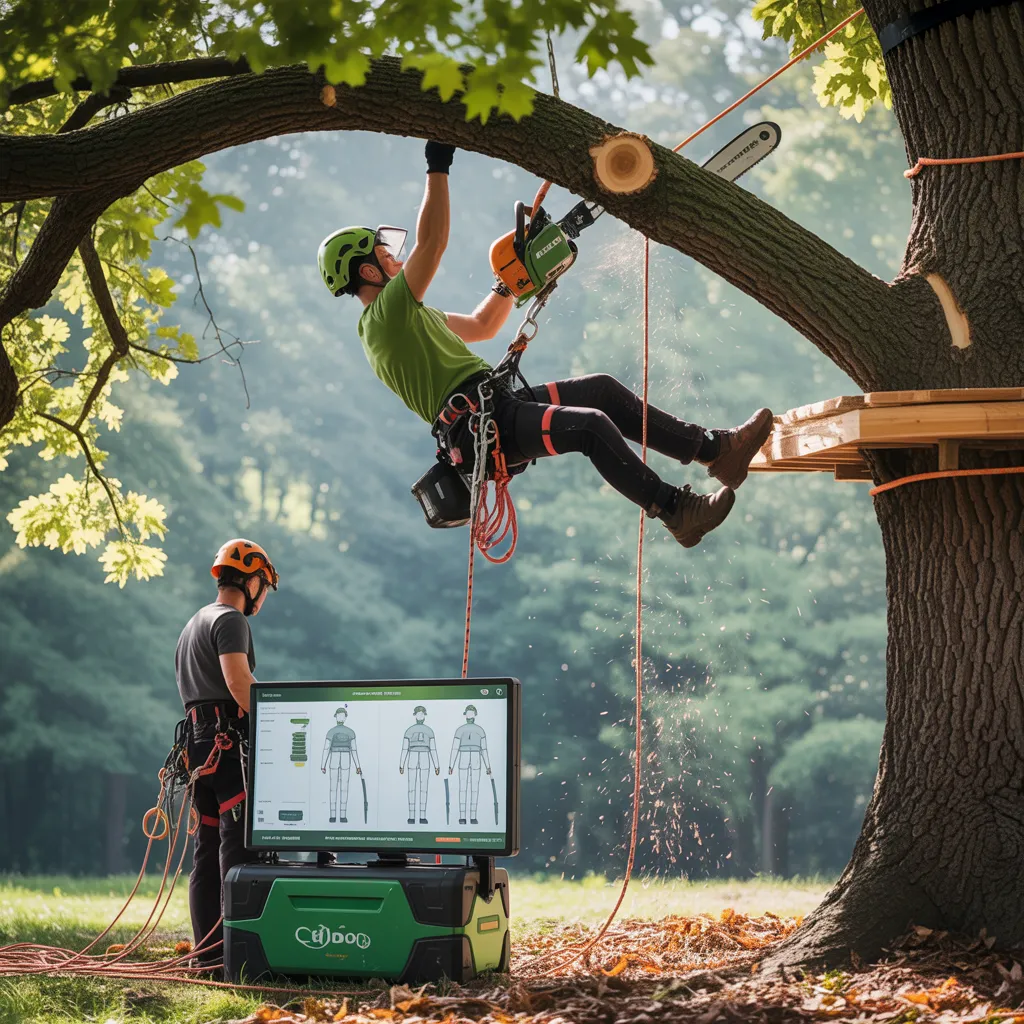
Recognizing the Dangers of Overgrown Trees
Trees that have grown unchecked pose serious risks to both property and safety, as their unchecked growth can lead to structural damage and increased vulnerability during storms. Branches can extend into roofs, gutters, and power lines, leading to expensive repairs and possible hazards. In severe weather, these branches can break easily, posing a threat to people and structures below.
Moreover, excessive growth can block sightlines, creating dangerous situations for drivers and pedestrians alike. Tree roots can also spread into foundations, walkways, and driveways, creating unstable surfaces and structural concerns. Moreover, neglected trees can draw in pests and disease, which may spread to nearby plants and compromise landscaping efforts.
Failing to maintain trees properly can intensify these dangers, resulting in more significant damage as time passes. As a result, recognizing the hazards linked to overgrown trees is critical for homeowners seeking to maintain safety and safeguard their assets.
The Importance of Regular Tree Trimming
Routine tree trimming is essential in preserving the health and safety of trees, successfully reducing the risks that come with overgrowth. By removing dead or diseased branches, trimming enhances the overall vigor of the tree, stimulating new growth and improved air circulation. This practice not only helps in preventing the spread of pests and diseases but also minimizes the chance of branches falling, which can present serious dangers to people and property.
Additionally, consistent trimming boosts the aesthetic quality of the landscape, enabling trees to keep an appealing form. This may enhance property value, rendering yards more welcoming and pleasant. In addition, neatly trimmed trees can enable more sunlight to penetrate to the ground, encouraging the growth of healthy grass and plants below. Overall, integrating routine tree trimming into yard upkeep can result in healthier trees, a more secure environment, and a more visually appealing outdoor space.
How to Identify Warning Signs Your Trees Need Care
Mature trees can exhibit several signs that suggest they are in need of attention, such as lifeless or deteriorating branches that may threaten their overall health. Additionally, the appearance of fungal formations can signal underlying issues that need prompt action. Recognizing these signs is essential for ensuring proper tree health and structural safety.
Dead Or Dying Branches
Many homeowners often overlook the subtle indicators that reveal a tree is struggling, particularly when it comes to failing or deteriorating branches. These affected branches often have no foliage and look brittle or discolored. A more thorough inspection may expose peeling bark or cracks, suggesting that the branch is deteriorating. Additionally, an accumulation of fallen branches around the base of the tree can indicate that others are also weakening. Trees with dead or dying branches may also show signs of decay, such as a dull hollow tone when tapped. Acknowledging these warning signs is essential, as they can influence the overall health of the tree and nearby landscape. Prompt action can stop additional damage and promote a thriving yard.
Mold and Fungus Warning Signs
Evidence of fungal activity frequently coincide with the appearance of failing or withered branches, signaling that a tree could benefit from immediate attention. Darkened, discolored areas on the bark or the appearance of mushrooms at the base can signal underlying issues. Furthermore, a chalky white coating may indicate powdery mildew, while dark spots may signal additional fungal diseases. Trees exhibiting wilting leaves or premature leaf drop are also at risk. It is essential to monitor for these indicators, as unaddressed fungal issues can compromise the tree's integrity and vitality. Regular inspections and timely intervention can prevent further damage, safeguarding the lasting health of the property's trees and plants. Property owners are encouraged to address these indicators for optimal lawn care.
How to Determine If Tree Removal Is Necessary
When assessing whether tree removal is necessary, one must consider several important factors. Initially, evaluating the condition of the tree is vital; signs of decay, such as dead branches or considerable fungal growth, indicate that removal may be necessary. Furthermore, the tree's structural integrity should be examined; a leaning tree or one with a compromised trunk poses risks to surrounding property and safety.
The distance from structures is another important factor to consider; trees positioned too near homes, power lines, or walkways may pose damage risks or dangers during severe weather. Moreover, if a tree is significantly blocking sunlight from reaching surrounding plants or landscaping, removal may be warranted. Finally, assessing the tree's total impact on the surrounding landscape is essential; if it detracts from the yard's aesthetic or functional value, removal could enhance property appeal. Every one of these elements contributes meaningfully to the decision of whether tree removal is necessary.
How to Choose the Finest Tree Care Specialists
Finding the best tree care professionals requires careful consideration, as picking the right specialists can have a major influence on the well-being and security of trees. Prospective clients should begin by researching local companies, prioritizing those with positive reviews and testimonials. Checking for proper certifications and insurance is essential, as it guarantees that the professionals adhere to industry standards and are protected in case of accidents.
In addition, gathering a number of quotes can help determine the market rate and help identify reasonable costs. In-person consultations are valuable, helping clients gauge the competence and expertise of the tree care specialists. Asking specific questions about their experience with similar tree issues can help establish their qualifications.
Finally, professional tree care professionals often offer comprehensive written quotes and clear explanations of the work to be performed. Such openness not only promotes reliability but also confirms that clients are fully informed before making decisions regarding their arboricultural requirements.
Tree Removal and Trimming Cost
The cost of tree removal and trimming is determined by a number of factors, such as tree size, location, and complexity of the job. Knowing these factors can help property owners make informed financial decisions. Furthermore, choosing professional tree care services can lead to long-term savings by preventing potential hazards and maintenance issues.
Elements That Affect Costs
A number of considerations affect the expenses related to tree service and upkeep, making it crucial for homeowners to familiarize themselves with these elements. The dimensions of the tree are primary considerations; larger trees often necessitate increased labor and machinery. The placement of the tree also plays a significant role; trees situated near buildings or power lines present safety hazards, calling for expert approaches. Additionally, the tree species impacts pricing, as some varieties require more effort to service. Accessibility is another vital factor; trees with limited accessibility can result in increased expenses due to the necessity of specialized tools. As a final point, regional rules and permits have the potential to alter overall costs, stressing the significance of diligent preparation before contracting a professional. Understanding these factors helps with accurate budgeting for ongoing tree management.
Long-Term Cost Savings Benefits
Spending money on tree care and maintenance can provide significant long-term savings for property owners. Well-cared-for trees lower the likelihood of structural and landscape damage stemming from falling branches or uprooted trees during harsh weather conditions. Taking this preventative measure reduces potential insurance claims and repair expenses. In addition, well-maintained trees increase the value of your property by enhancing curb appeal, appealing to future homebuyers, and cultivating a more attractive and enjoyable outdoor area.
Routine trimming encourages healthier development, reducing the likelihood of costly pest infestations and diseases that could demand significant financial remedies. In addition, properly situated trees can decrease energy expenses by casting shade in the warmer season. As a result, the upfront expenses related to tree removal and trimming can be balanced by lasting financial advantages, making it a wise investment for property owners.
Sustaining Tree Health for Enduring Yard Attractiveness
Maintaining tree health is crucial for guaranteeing long-term yard appeal. Well-maintained trees not only improve the aesthetic charm of a property but also promote ecological balance and biodiversity. Periodic assessments can uncover early evidence of disease, pest start now activity, or structural deficiencies. Applying suitable cultural methods, such as adequate watering, mulching, and fertilization, encourages strong growth and long life.
Pruning holds a key position in caring for trees, enhancing both safety and appearance. The removal of dead or overgrown branches improves air circulation and sunlight penetration, fostering a healthier canopy. Moreover, acting in a timely manner can reduce the risk of hazards when storms occur.
Furthermore, a properly maintained tree canopy provides shade, lowering energy costs for home owners. By investing time and resources into tree health, property owners can create a lush landscape that lasts through the seasons, ultimately increasing the overall value of their property. Prioritizing tree care assures that yards continue to be beautiful and functional for years to come.
Common Questions and Answers
What Is the Recommended Frequency for Professional Tree Inspections?
All trees should be examined by a professional no less than once annually, especially for those over five years old or situated in metropolitan settings. Routine evaluations help identify possible dangers and ensure that all trees continue to be healthy and safe.
Can Tree Trimming Be Performed During Any Season?
Tree cutting can generally be performed in all seasons; however, late winter and early spring are typically the best times. This approach supports healthy development and limits strain on the tree, ensuring ideal health and appearance.
What Equipment Is Required for DIY Tree Trimming?
To effectively trim trees, the necessary tools consist of pruning shears, loppers, a handsaw, and a chainsaw. Additionally, safety equipment including goggles, a hard hat, and gloves is essential to ensure a safe trimming experience.
How Do Tree Roots Affect My Home's Foundation?
Tree roots have the potential to damage a residential foundation by exerting pressure upon it, creating cracks and structural damage. Their growth may disrupt the stability of the soil, resulting in uneven ground settlement and likely drainage problems near the foundation.
Do Any Regulations Apply to Tree Removal in My Area?
Guidelines on tree removal differ by area, typically calling for official permits or following of defined standards. Property owners should consult local governing bodies or official city websites to gain insight into the guidelines controlling tree removal in their region.